Cameras
The trail cameras we suggest are GardePro E9PCF trail cameras. However, it may not be possible to purchase this unit at all locations. Please contact Diego if this is the case so that we can find the best option for you.
Broadly, the specifications for trail cameras are the following:
Weatherproof / splash-proof, ideally waterproof if possible
Long battery life (minimum 3 months)
Capable of timelapse mode with adjustable intervals (for example, being able to set it to take a photo every 5 minutes)
Capable of recording metadata (date and time) of each photo taken
Accepts an SD card of 256GB or larger
Ideally with a field of view of 90-120 degrees (but not essential)
If there are cameras that are capable of focusing on small objects at a distance of around 0.5m, those would be the priority. Otherwise, this can be remedied by placing a small +1.50 lens in front of the camera.
In certain circumstances, we can use GoPros or similar action cameras for monitoring - however, this means regular daily trips to the mangroves over a few weeks. Please contact Diego for more information about this.
Cameras that have been tried and tested by the GLOW Team around the world:
GoPro Hero 9 - only if long-term deployments are not an option
Camera Monitoring Unit Specifications
General Requirements
The Camera Monitoring Unit is the structure on which the camera is attached. While there is flexibility to adapt based on different field conditions and requirements, there are general requirements that need to be met:
The field of view (area) seen by the camera must be approximately 50cm x 50cm. It is important that you know this field of view, as it is used to calculate area sampled (and thus crab density).
The camera must be facing directly downwards with as minimal angle as possible.
The camera must not be submerged at any point - trail cameras are weatherproof but not waterproof.
Four-Legged Bases
If the camera is mounted on a base, ensure that it has four legs for stability. Various materials can be used, including PVC Figure 1, as long as the structure is stable and durable enough to be left in the field for up to 3 months. It is ideal if each of the four legs are visible in the corners of the frame of the camera, as this will remove the need for the quadrat at the start of each deployment. You might need to weight the legs or add supports for extra stability. The dimensions of the unit are shown in Figure 2. For reference, these are the dimensions used for a GardePro E9PCF Trail Camera. The height of the structure may vary depending on the trail camera model. The final rig should be stable and appropriate for the camera minimal focal length Figure 3.
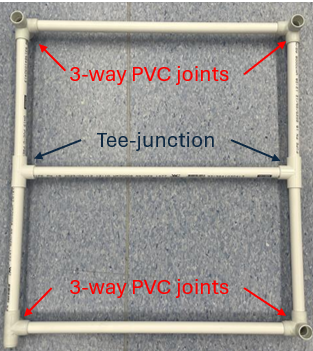
Figure 1:PVC Joints used in four legged camera rig
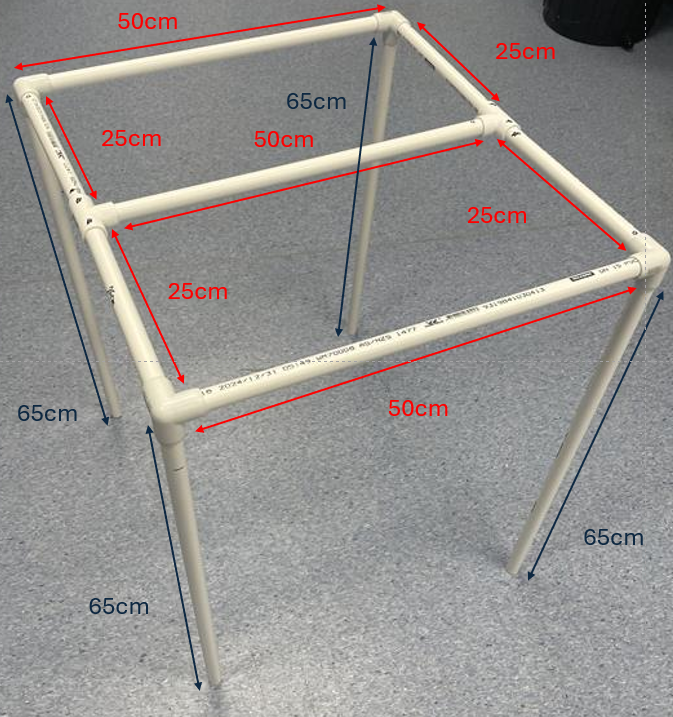
Figure 2:Four legged rig assembled dimensions
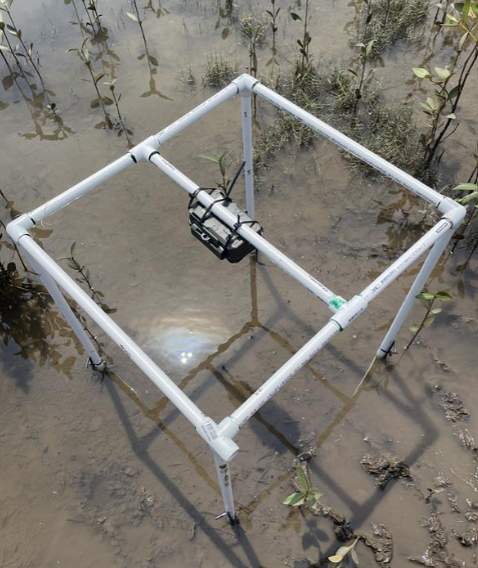
Figure 3:Four legged camera rig deployed in the field
Other monitoring options
Depending on site contexts and safety requirements, other camera mounting designs may be necessary. These may include mounting the trail camera on a tree branch or on a horizontal pole spanning two trees. This can be done if absolutely necessary, provided that:
All the points under the “General Requirements” section are satisfied.
A 50cm x 50cm quadrat with known markings is placed in front of the camera for the first 10 minutes of the deployment for area calibration. Further information on this can be found on the Crab Monitoring Context, Plan, and Procedure powerpoint and on the Fieldwork Datasheet instruction section.